












FREE SHIPPING ON ORDERS OVER $99
Eligible for ground shipping within the contiguous US. Excludes products over 36” and freight shipping.
10% OFF YOUR FIRST ORDER
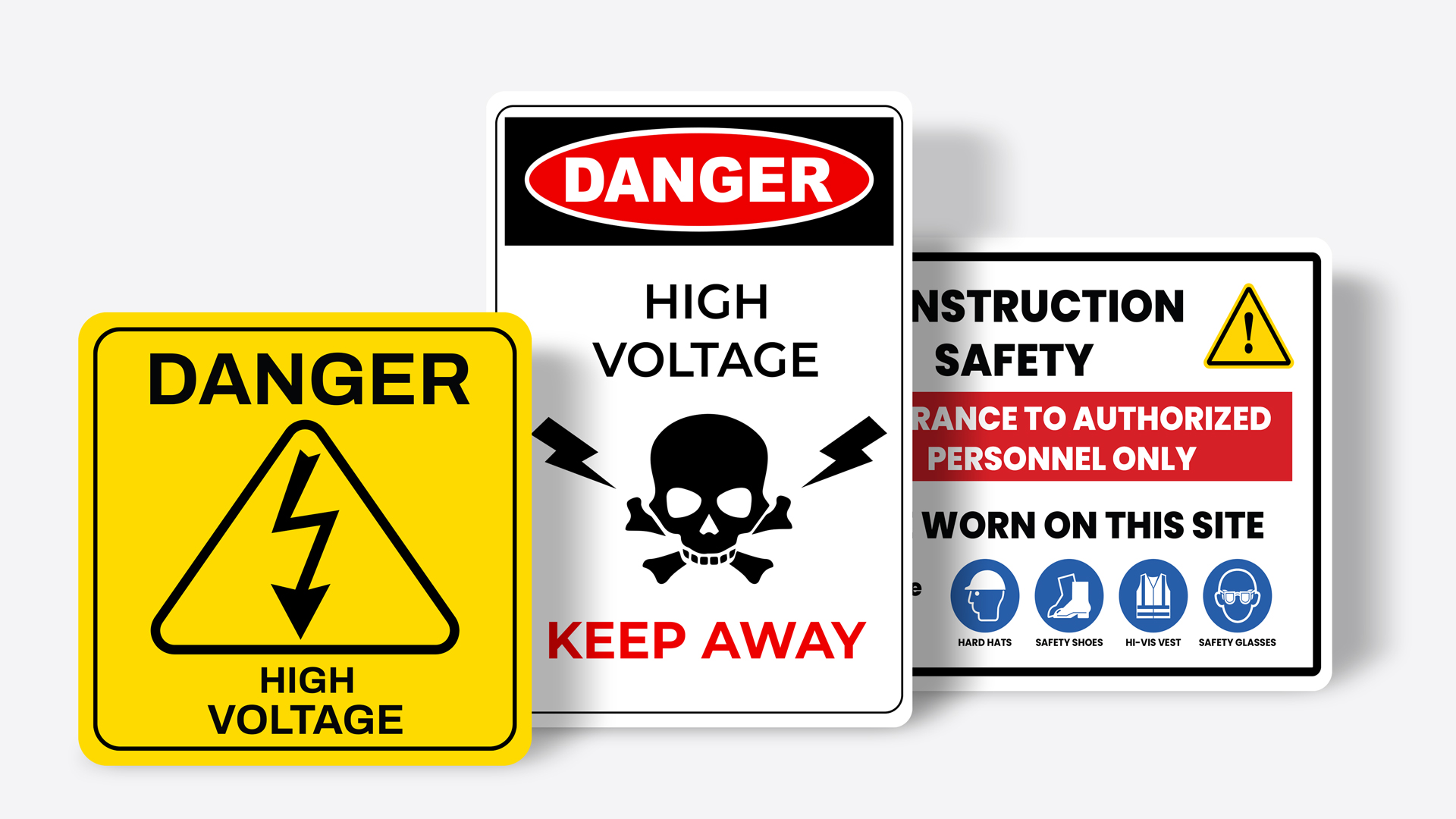
Workplace Safety Signs and Posters
Influence behavior, prevent injuries, and create awareness with safety signs in the workplace. Safety signs also provide essential information and instructions that establish compliance. These are necessary notifications that can potentially reduce accidents and save lives.
OSHA Workplace Safety Signs
Help protect workers and provide managers with peace of mind with workplace Occupational Safety and Health Administration (OSHA) safety signs.
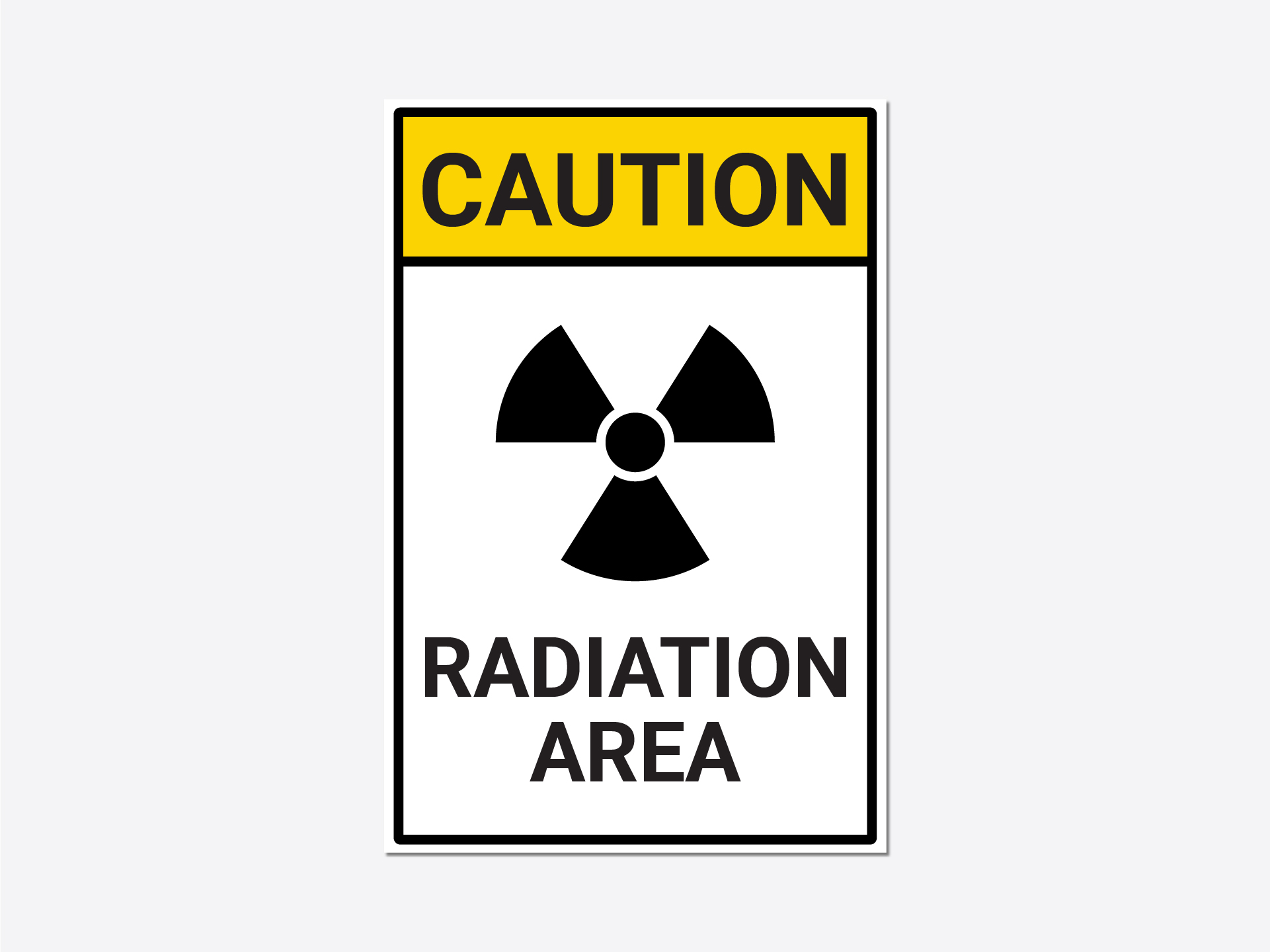
Caution - Radiation Area Reflective Aluminum Sign
Alert workers to various risks and dangers ahead.
5 (37 reviews)
Starting at $17.78
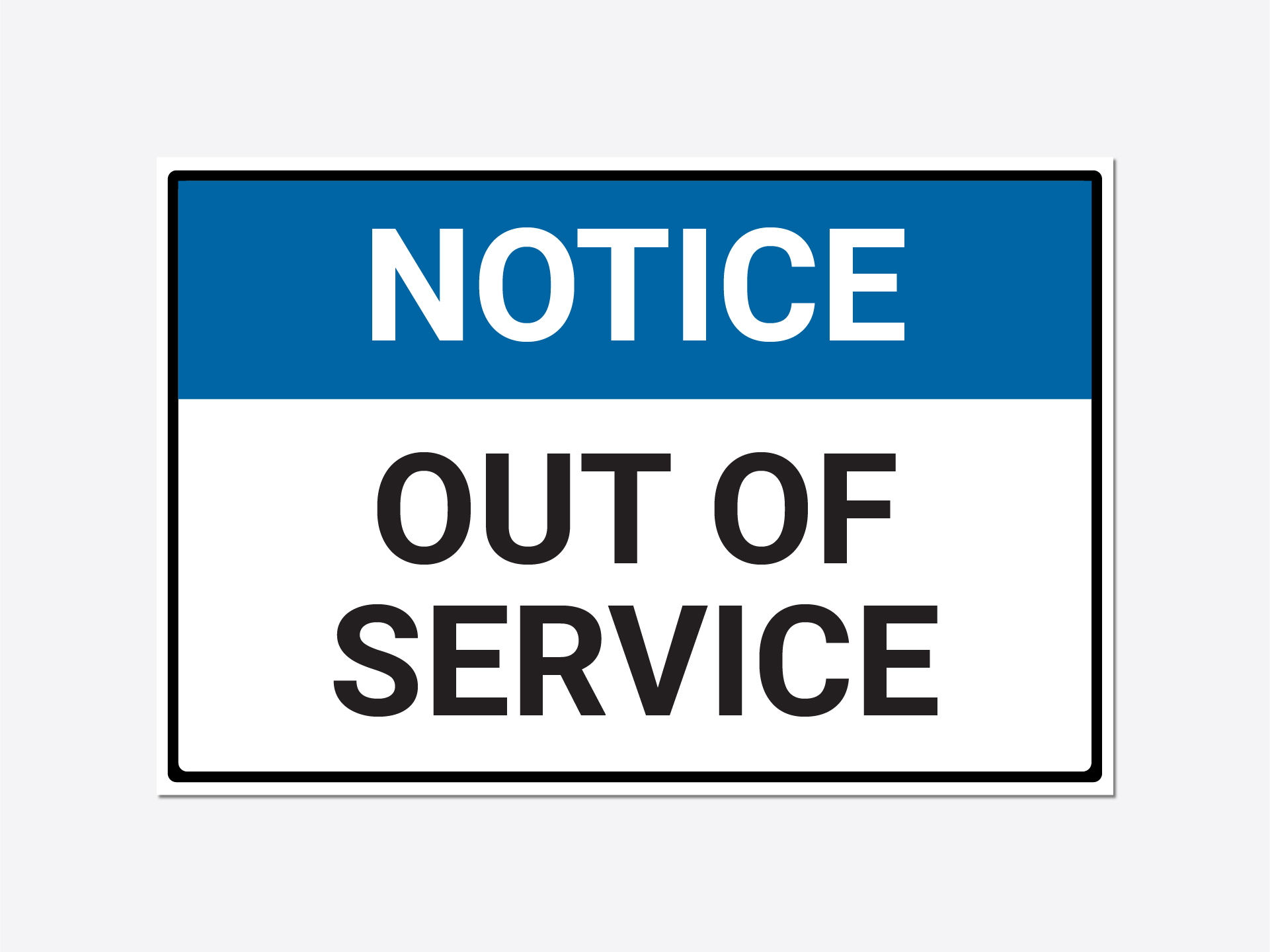
Notice - Out of Service Dibond Sign
Place important notices in appropriate locations.
5 (57 reviews)
Starting at $17.5
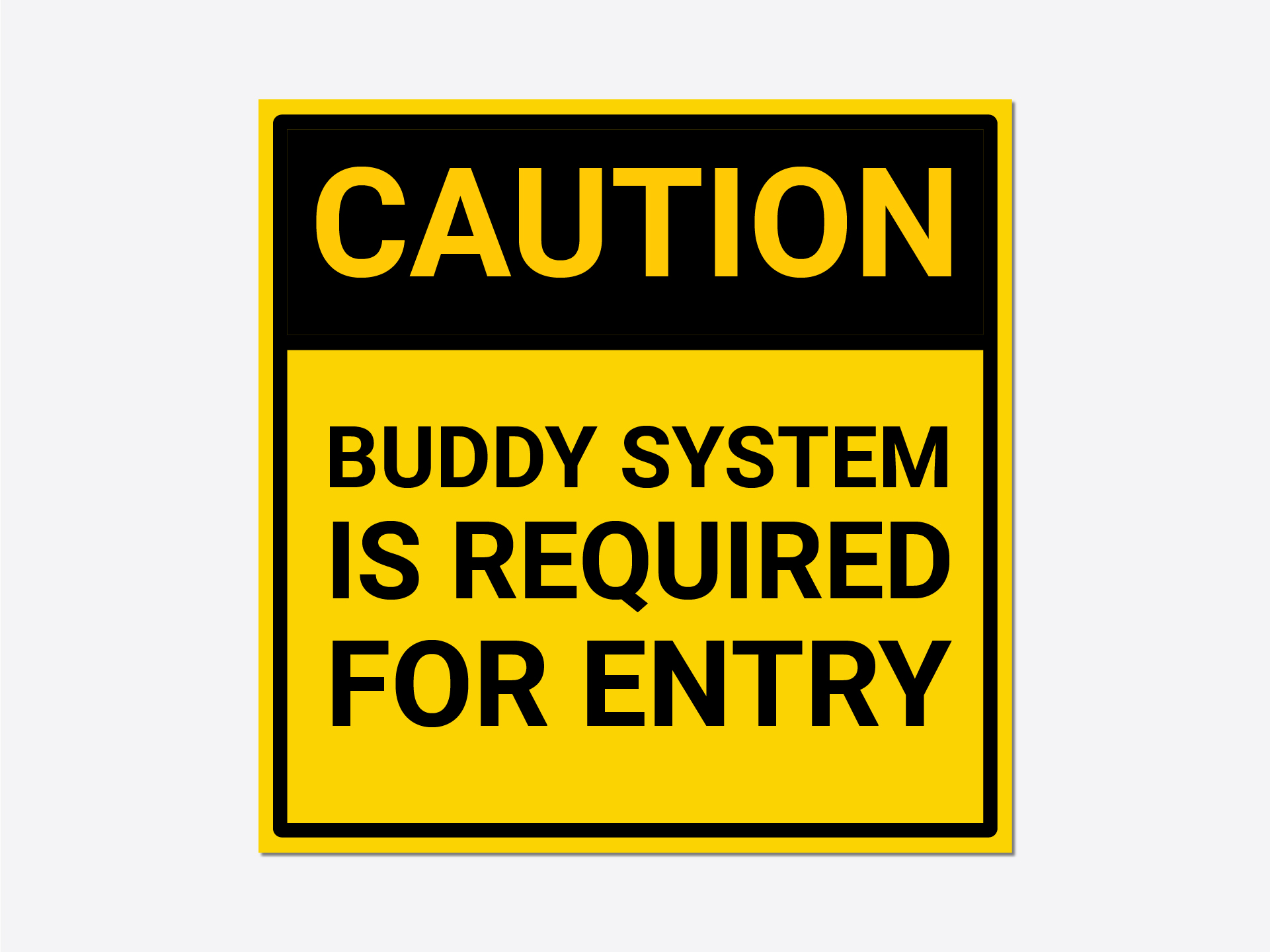
Caution - Buddy System Required Aluminum Sign
Create specific requirement notices for your employees.
5 (180 reviews)
Starting at $14.81
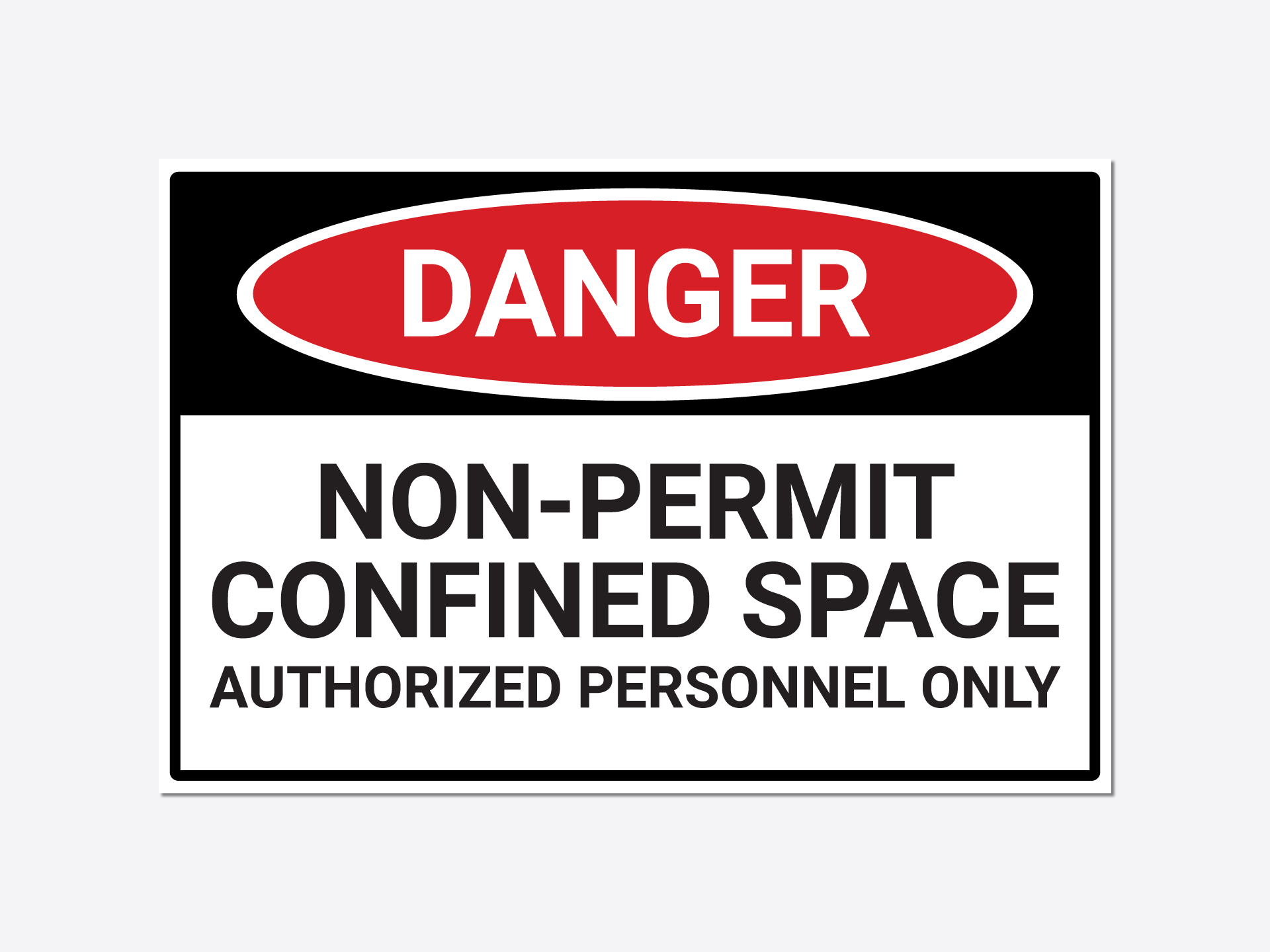
Danger - Non-Permit Confined Space Mesh Banner
Command attention with bold designs on large banners.
4.6 (11 reviews)
Starting at $19.91
Chemical and Hazardous Material Workplace Safety Signs
Remind workers to take notice of areas that contain hazardous chemicals which can cause burns, irritation, and long-term diseases.
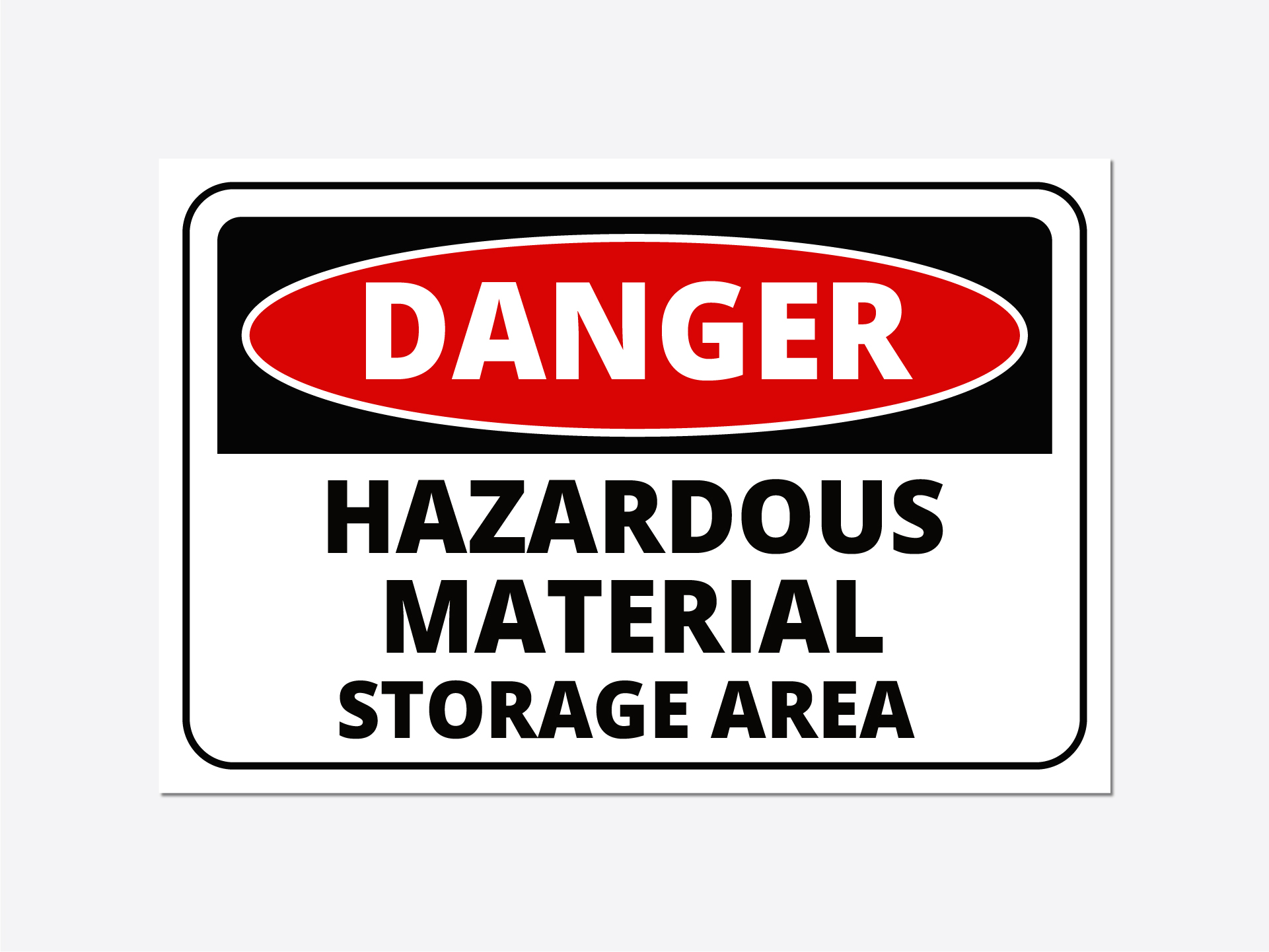
Danger - Hazardous Material Reflective Aluminum Sign
Create helpful messages regarding dangerous materials.
5 (37 reviews)
Starting at $17.78
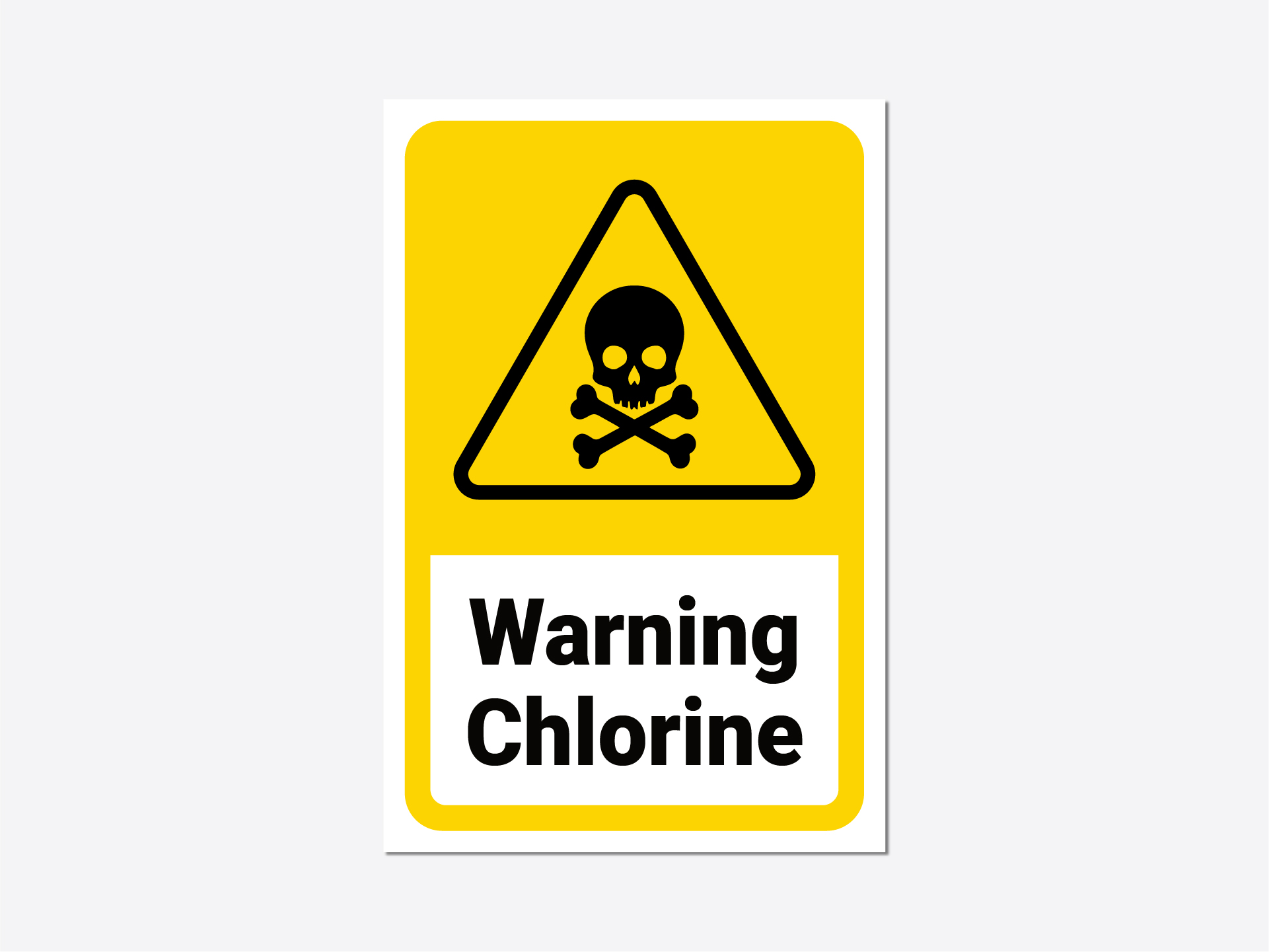
Warning - Chlorine Chlorine Dibond Sign
Educate workers on specific types of harmful chemicals.
5 (57 reviews)
Starting at $17.5
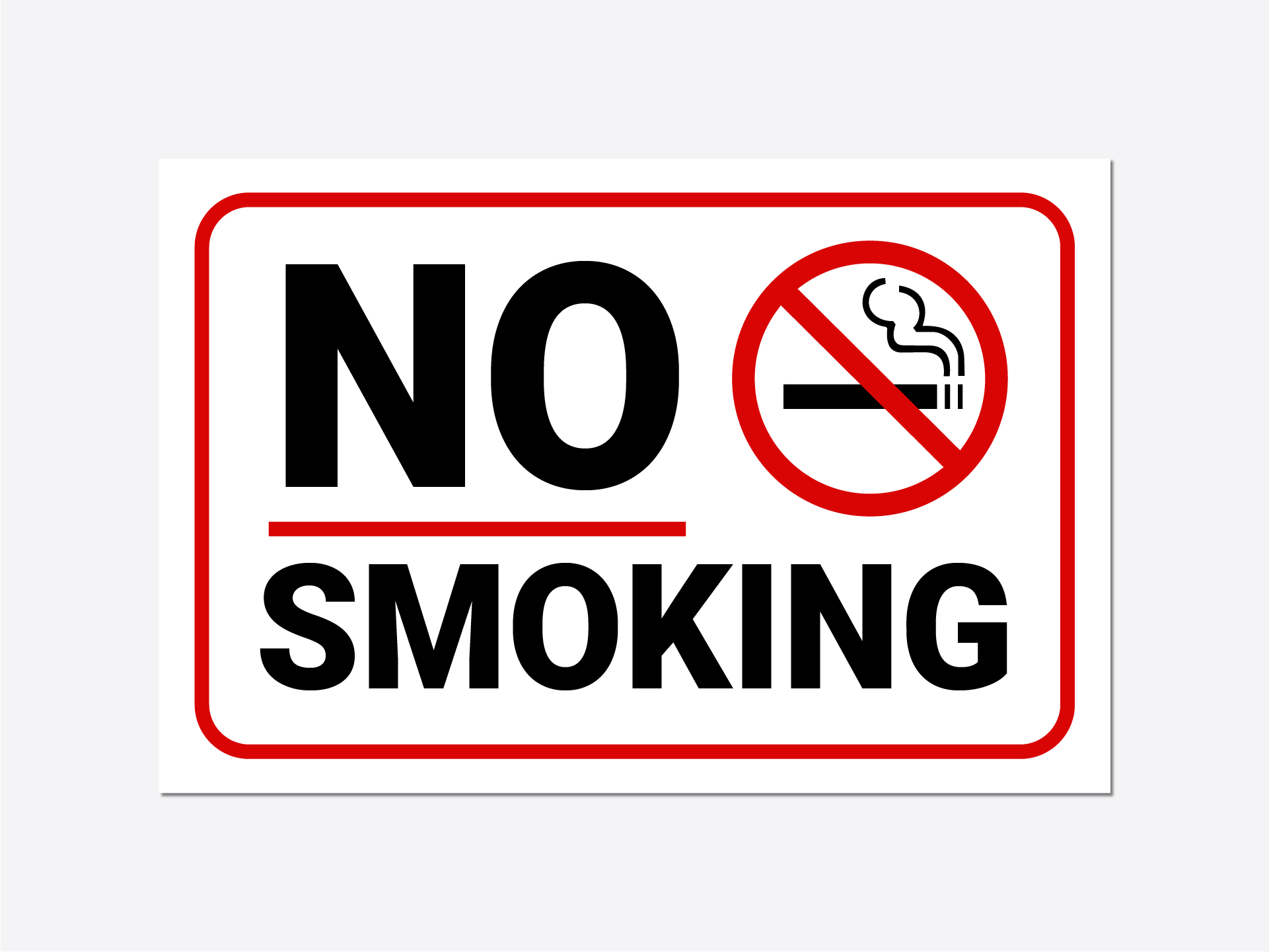
No Smoking Aluminum Sign
Incorporate universal symbols to convey prohibited behaviors.
5 (180 reviews)
Starting at $14.81
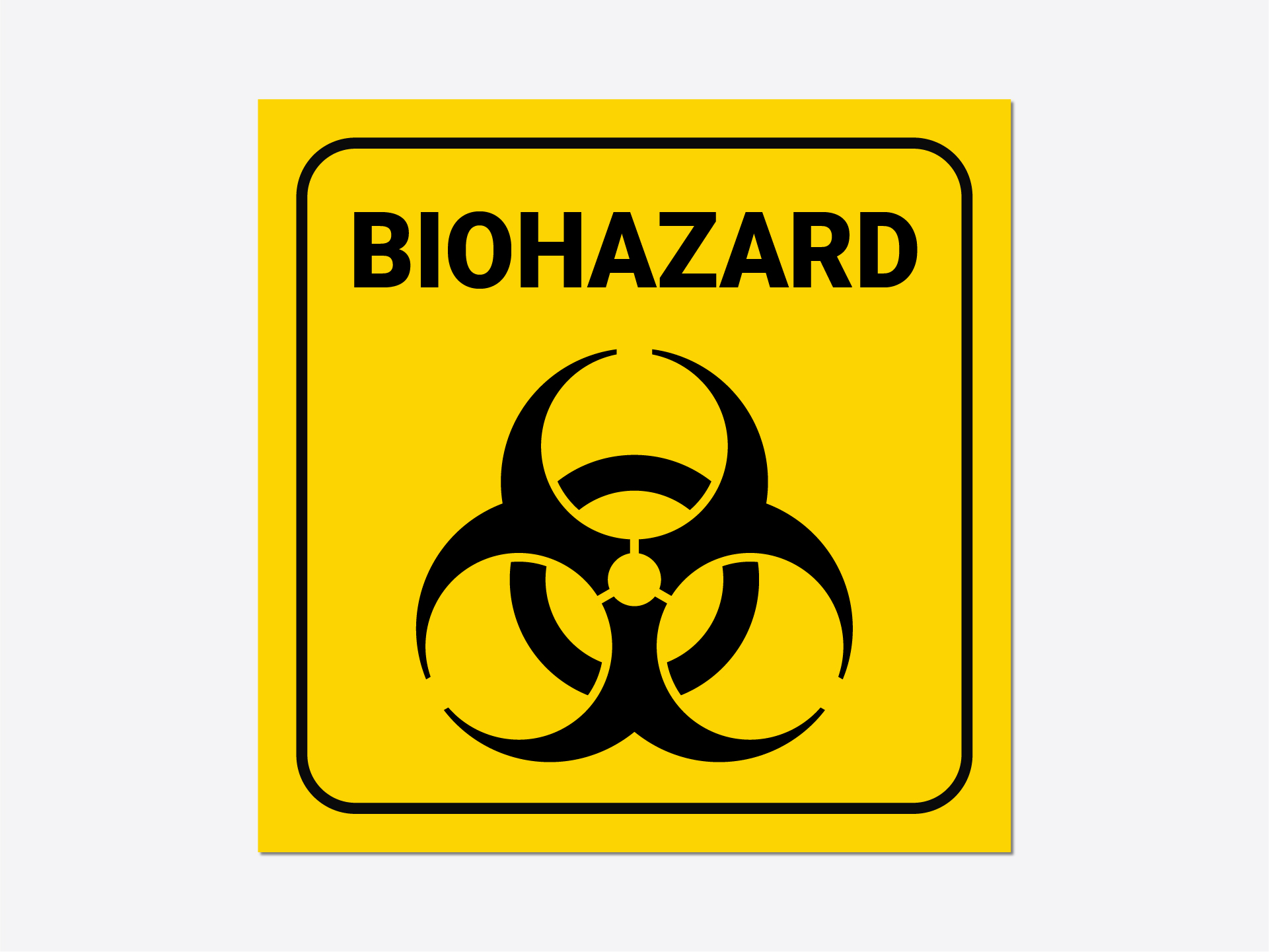
Biohazard Mesh Banner
Use large symbols on banners to help guide your staff.
4.6 (11 reviews)
Starting at $19.91
Fire and Electrical Safety Signs for Workplace Safety
Install required hazard signs in the workplace that inform the workforce of proper fire and electrical safety guidelines.
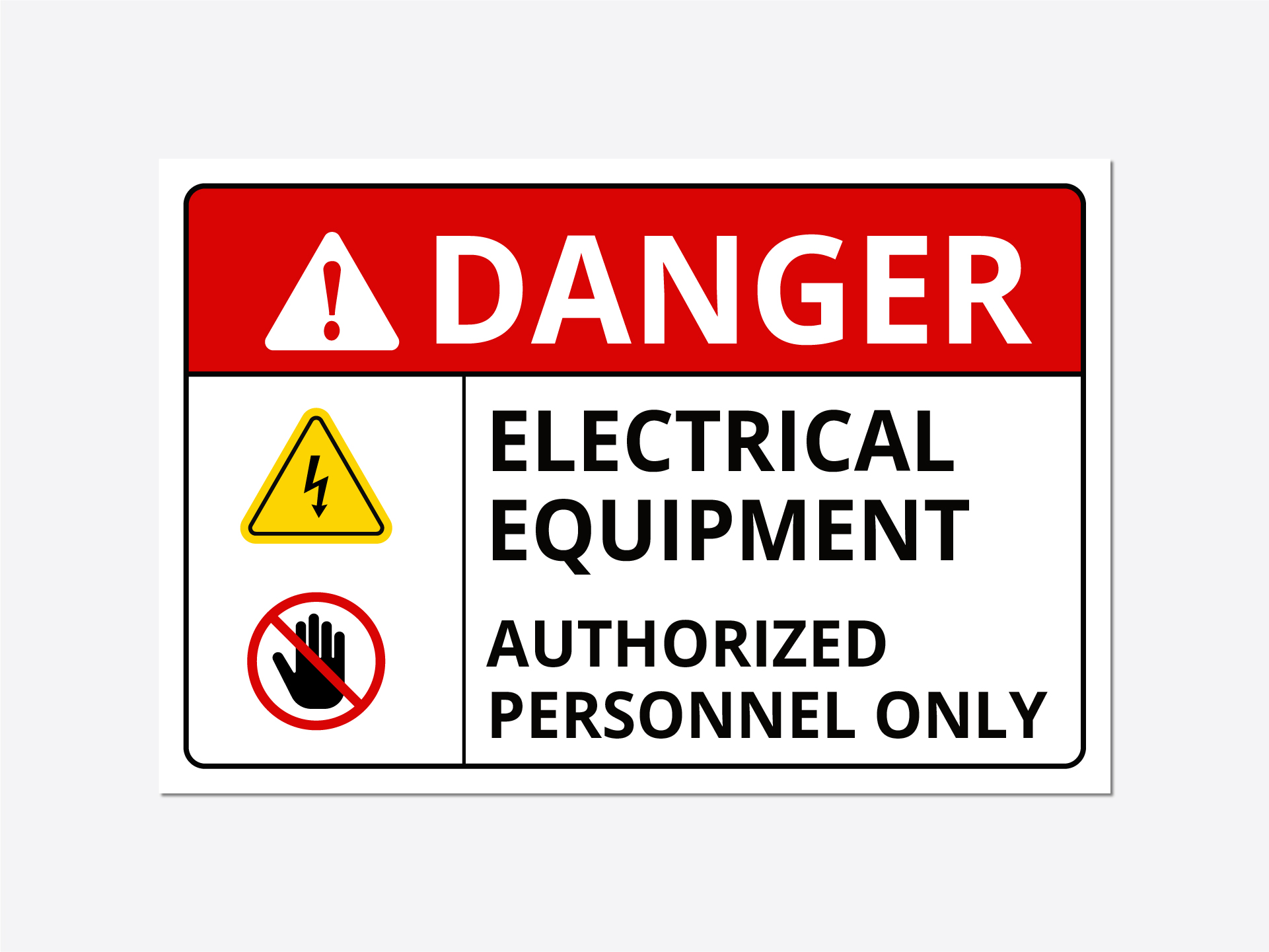
Danger: Reflective Coroplast Sign
Warn workers about the specific risks they might encounter.
5 (3 reviews)
Starting at $18.9
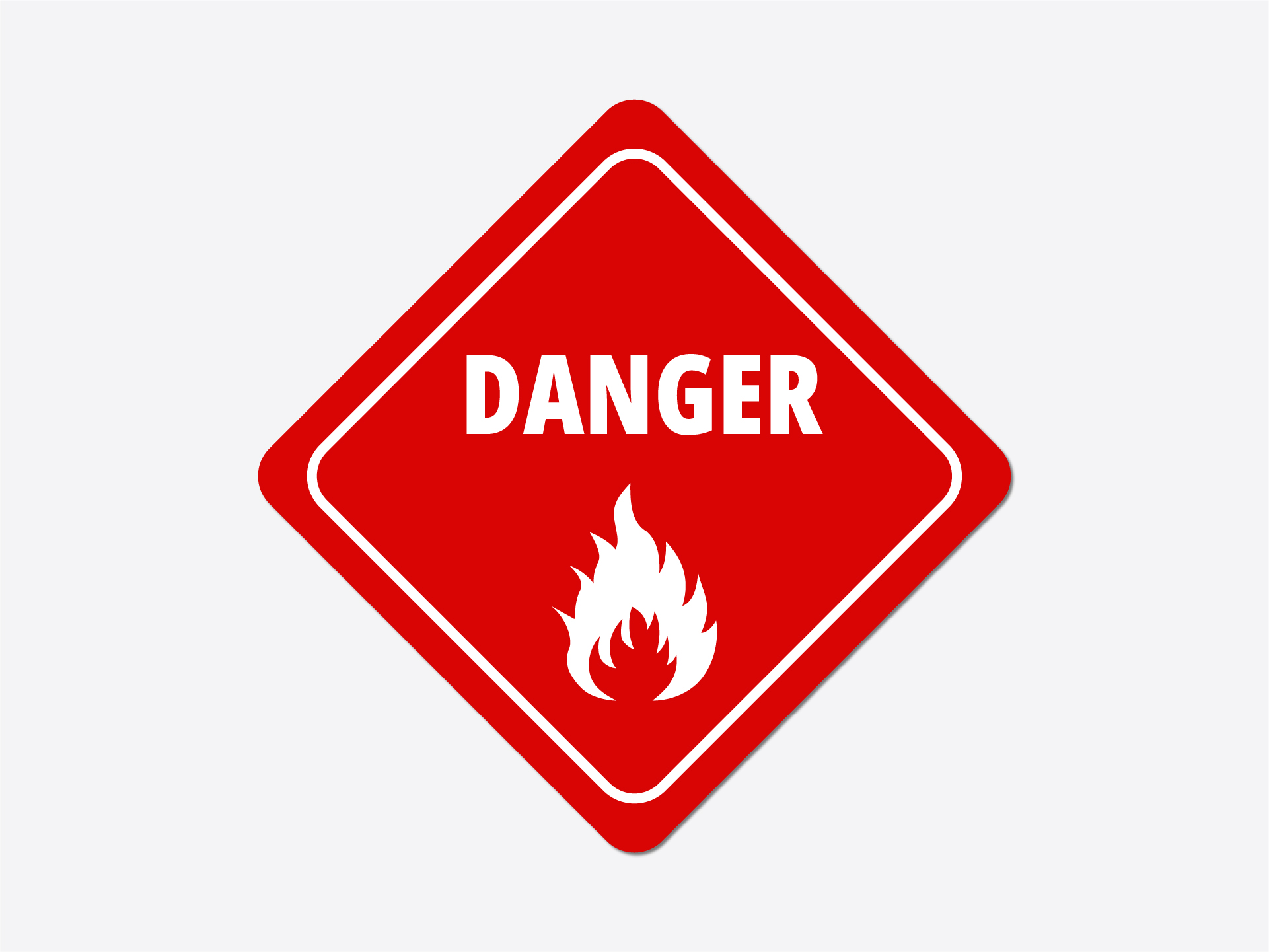
Fire Safety Aluminum Sign
Place simple words and symbols for an effective message.
5 (180 reviews)
Starting at $14.81
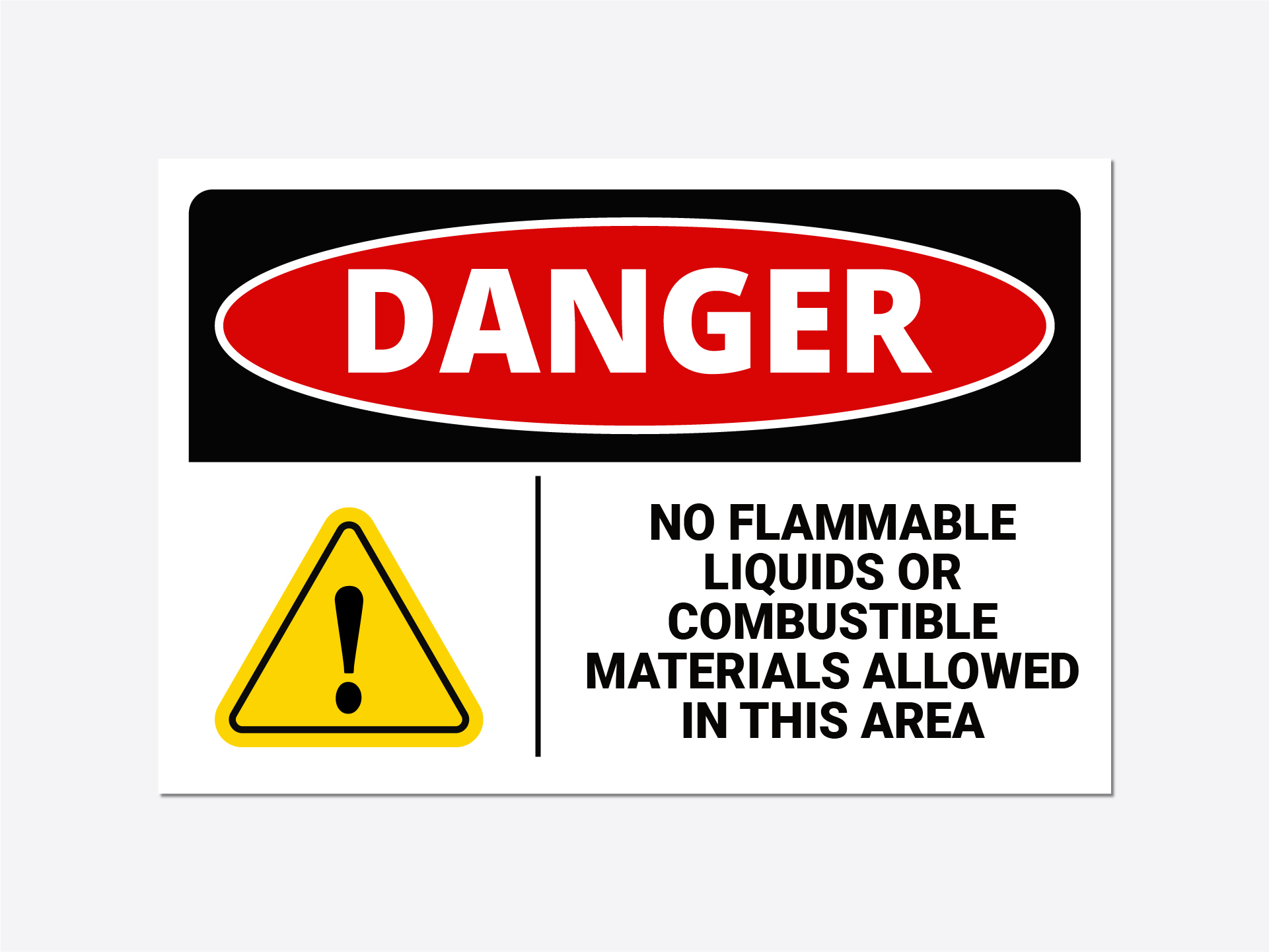
No Flammable Materials Reflective Aluminum Sign
Prohibit specific materials that pose safety risks.
5 (37 reviews)
Starting at $17.78
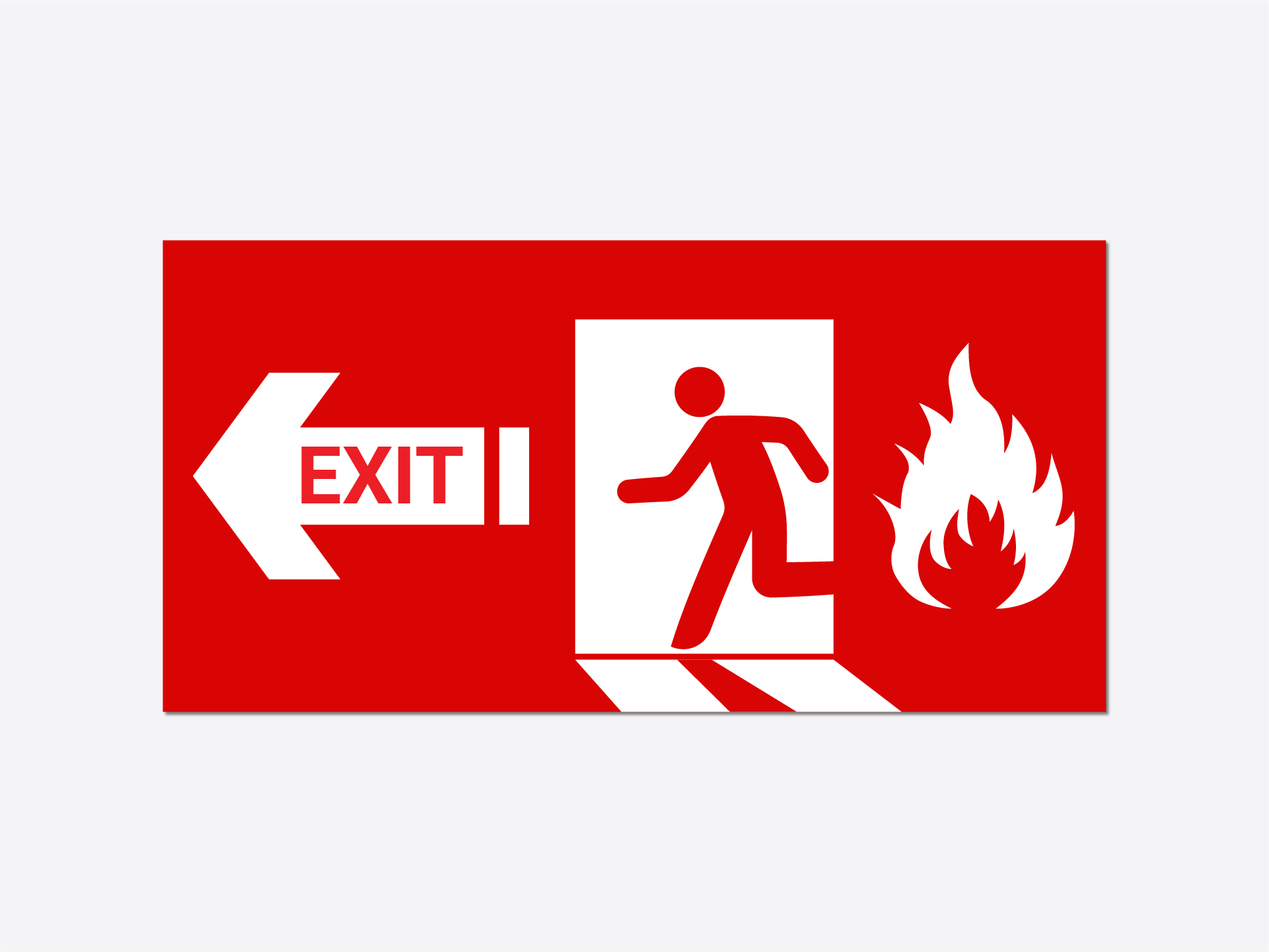
Instructional Fire Door Dibond Sign
Guide people to a safe area in case of an emergency.
5 (57 reviews)
Starting at $17.5
Workplace Safety Posters
Invest in safety posters for the workplace and place them throughout your work area to keep a consistent sense of safety and best practices.
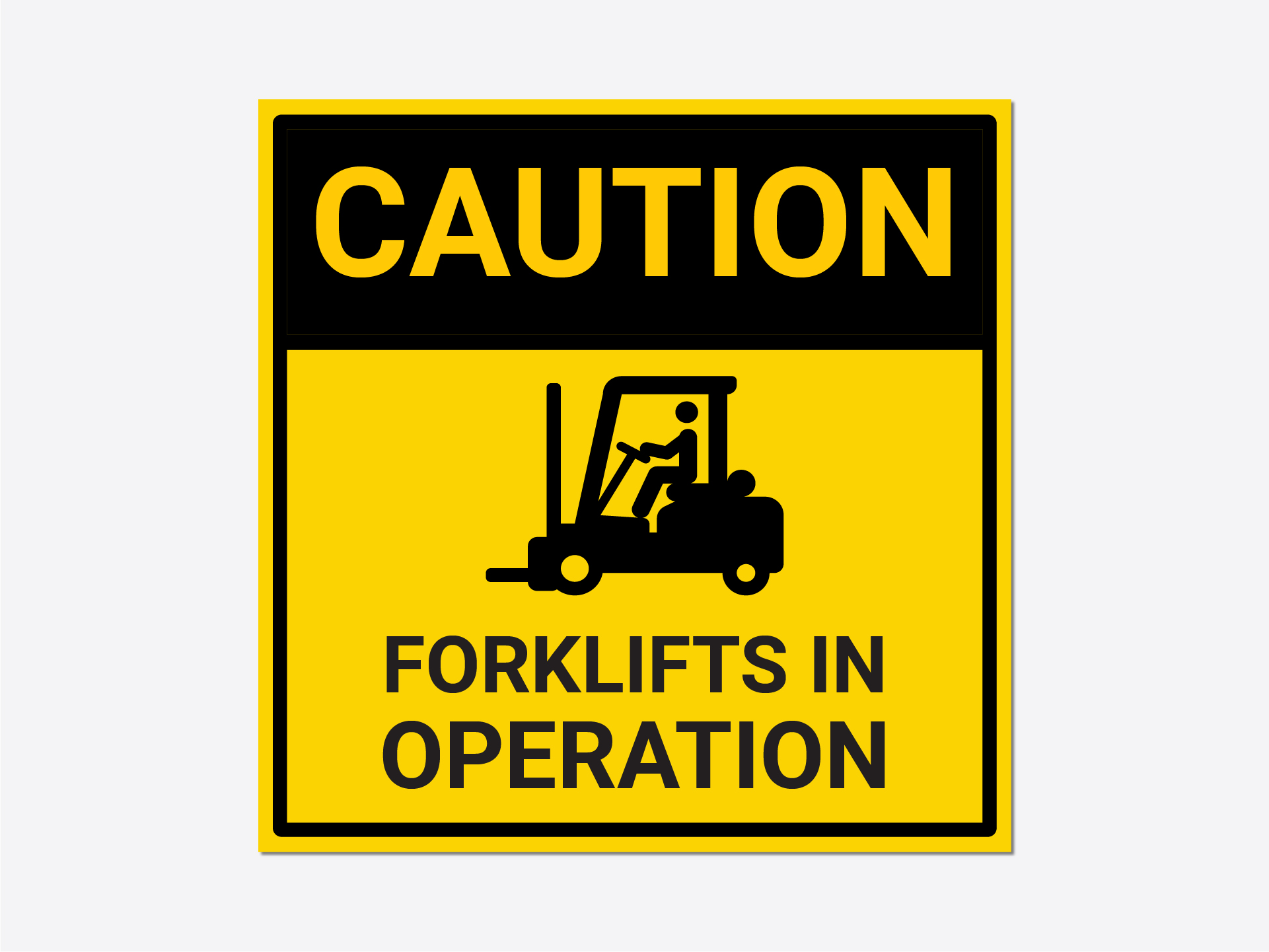
Warehouse Caution Reflective Coroplast Sign
Establish a sense of environmental awareness and vigilance.
5 (3 reviews)
Starting at $18.9
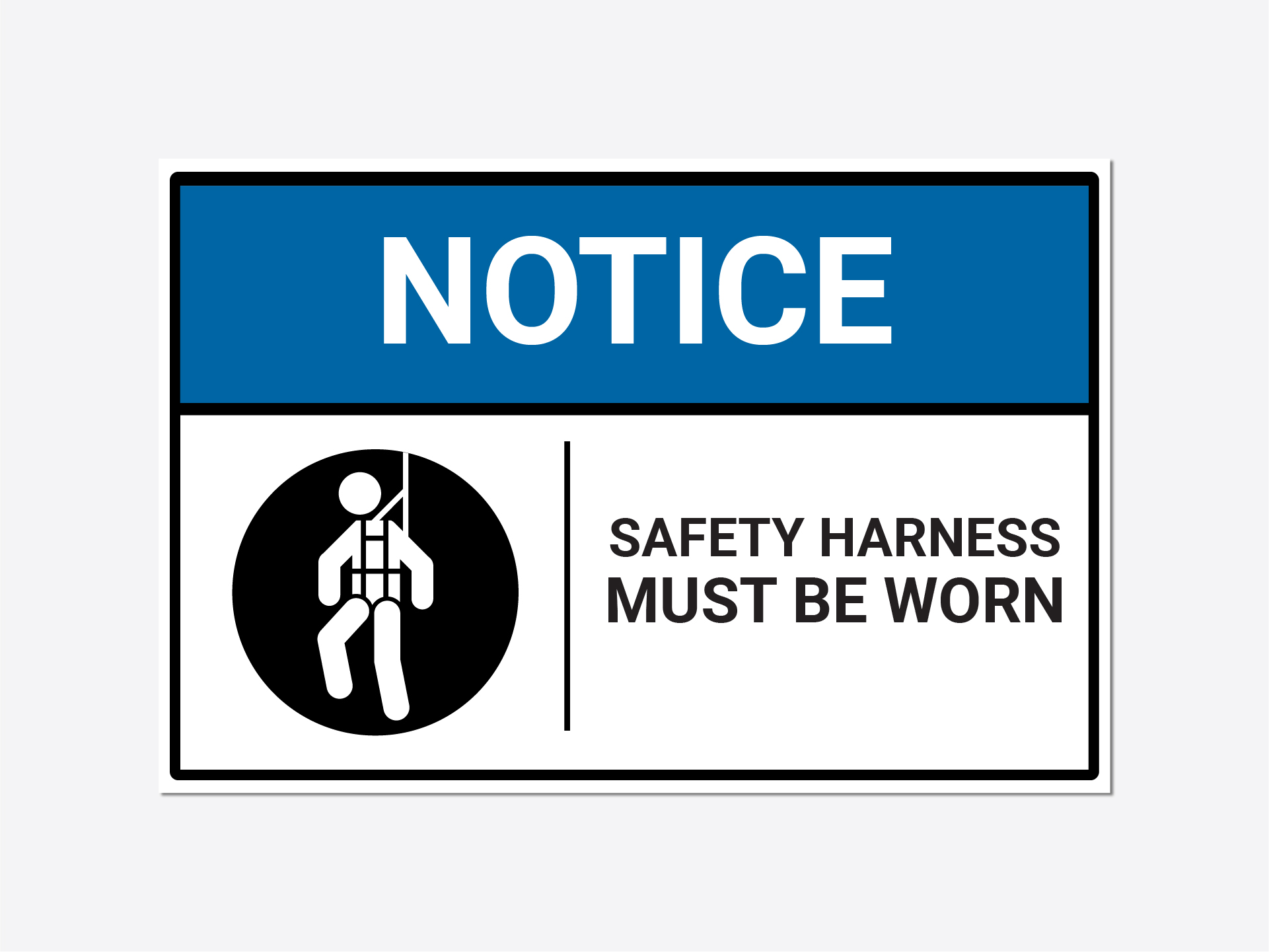
Fall Protection Safety Aluminum Sign
Specify the types of protective gear before work begins.
5 (180 reviews)
Starting at $14.81
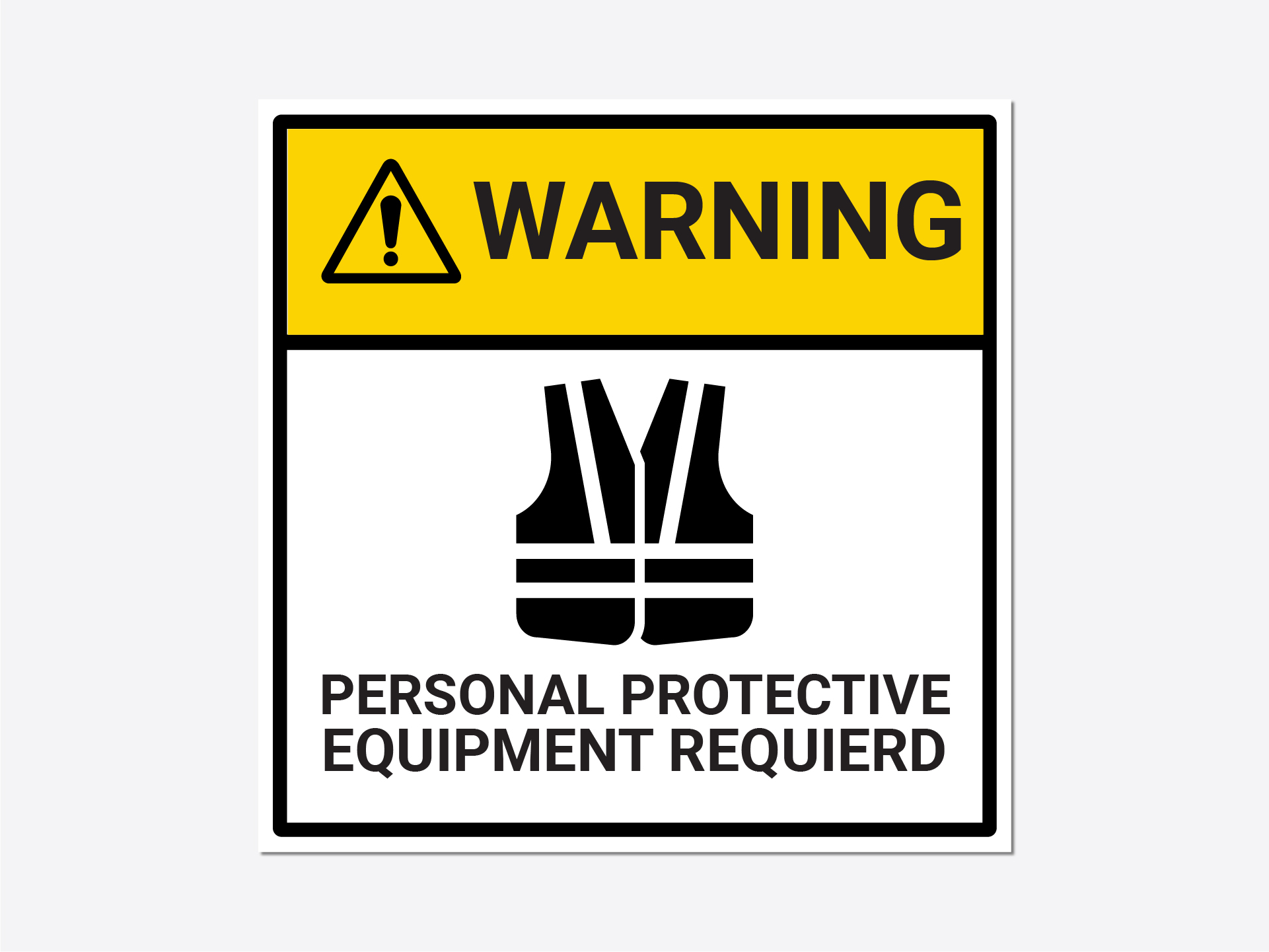
Personal Equipment Reflective Aluminum Sign
Clearly state equipment requirements needed before entering.
5 (37 reviews)
Starting at $17.78
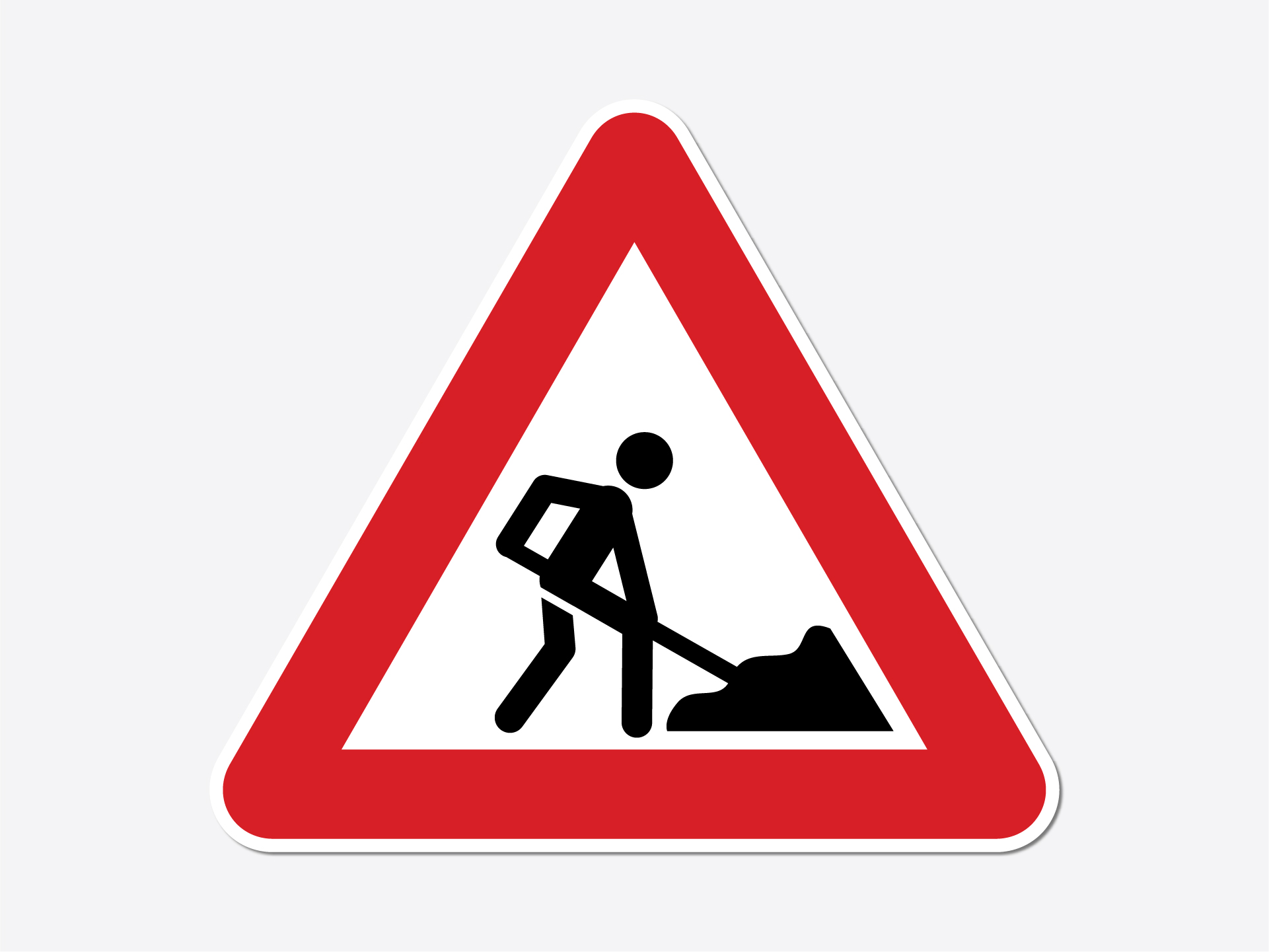
Road Work Dibond Sign
Announce road work ahead to prevent confusion or accidents.
5 (57 reviews)
Starting at $17.5
Warehouse, Jobsite, Roadwork Signs
Invest in safety posters for the workplace and place them throughout your work area to keep a consistent sense of safety and best practices.
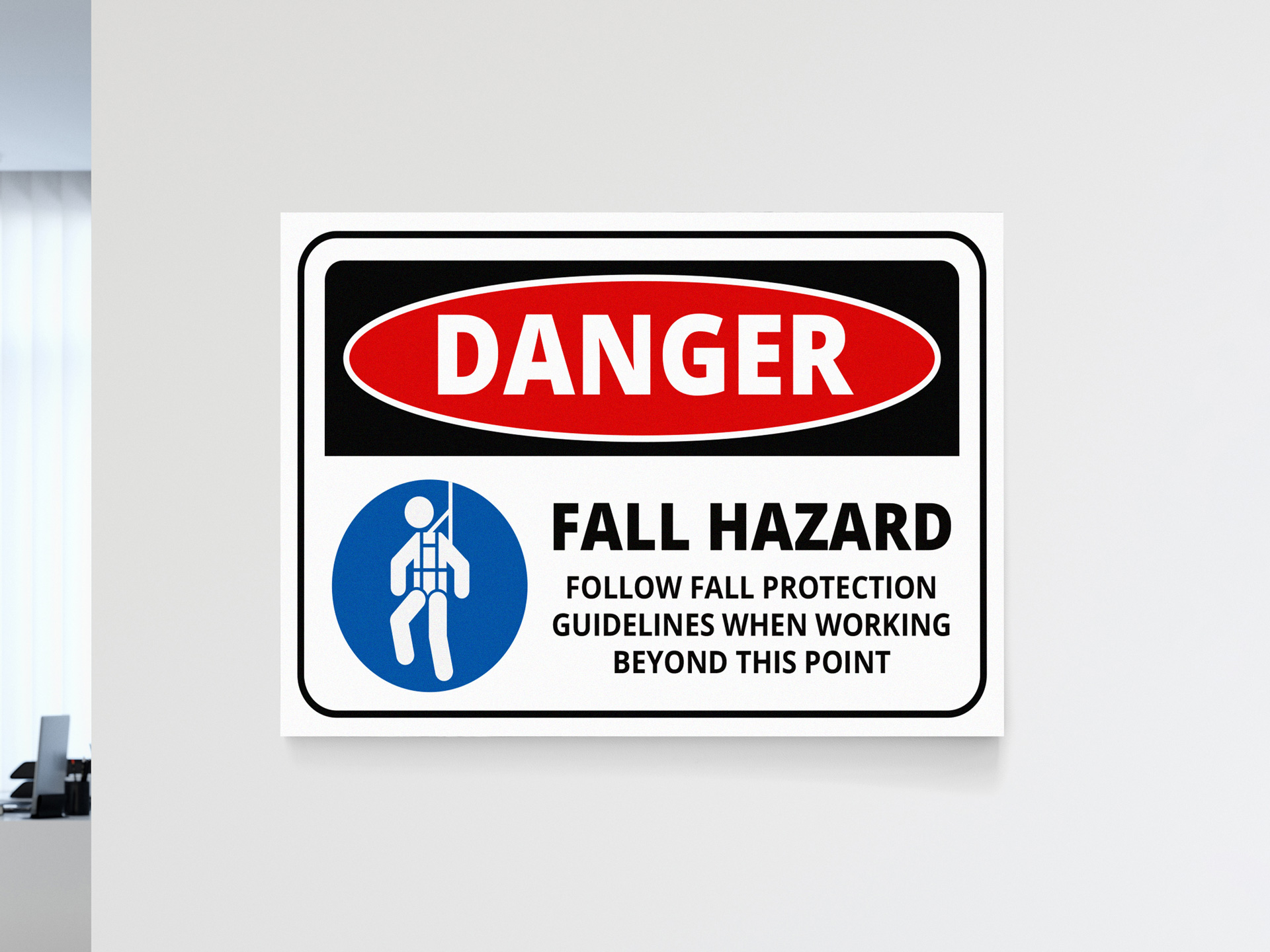
Fall Protection Safety PVC Poster
Mitigate risks by instructing workers to follow proper guidelines.
5 (55 reviews)
Starting at $12.2
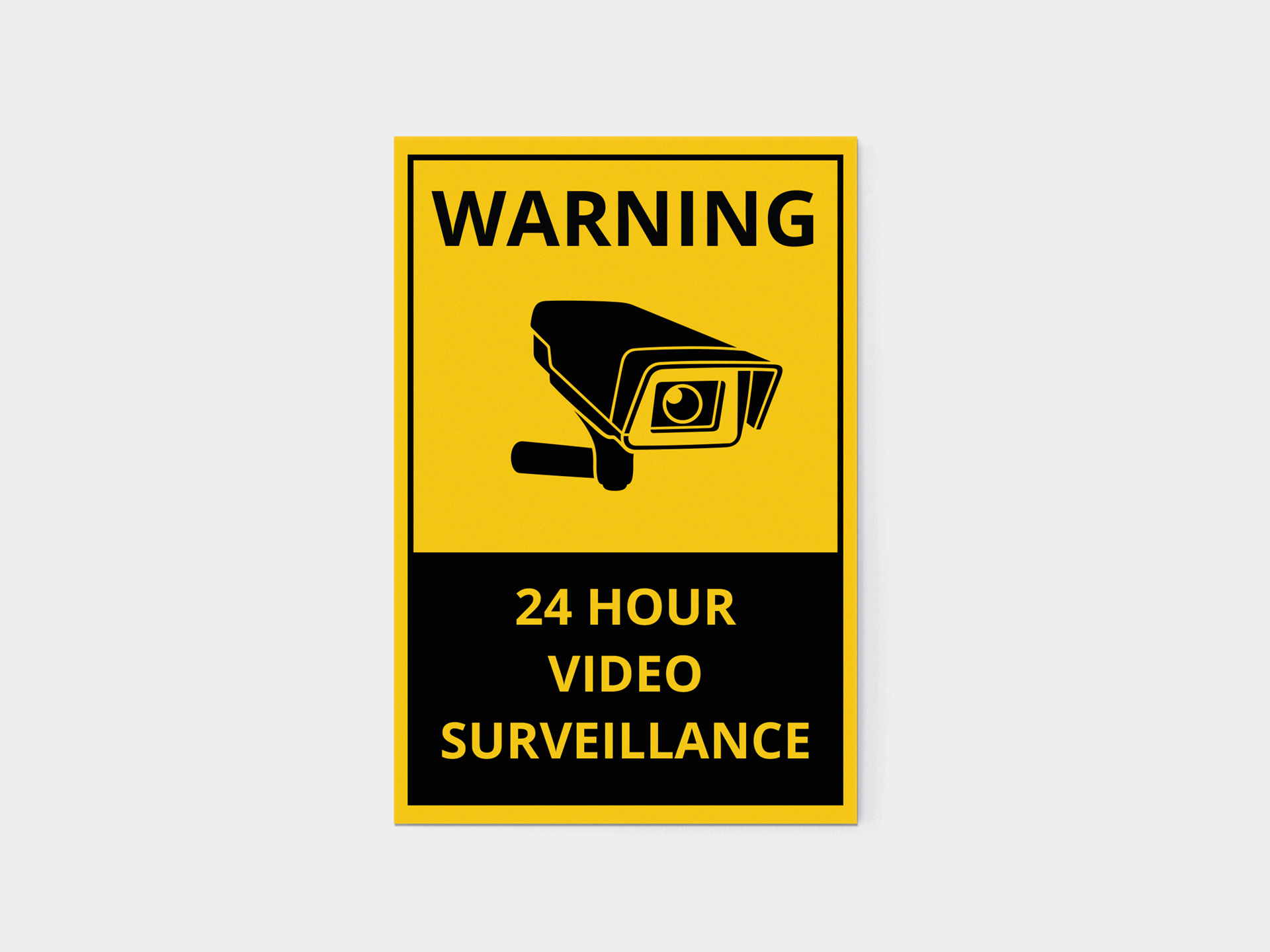
Warning - 24 Hour Surveillance Styrene Poster
Deter loiters and other unwanted visitors with this warning.
5 (8 reviews)
Starting at $14.21
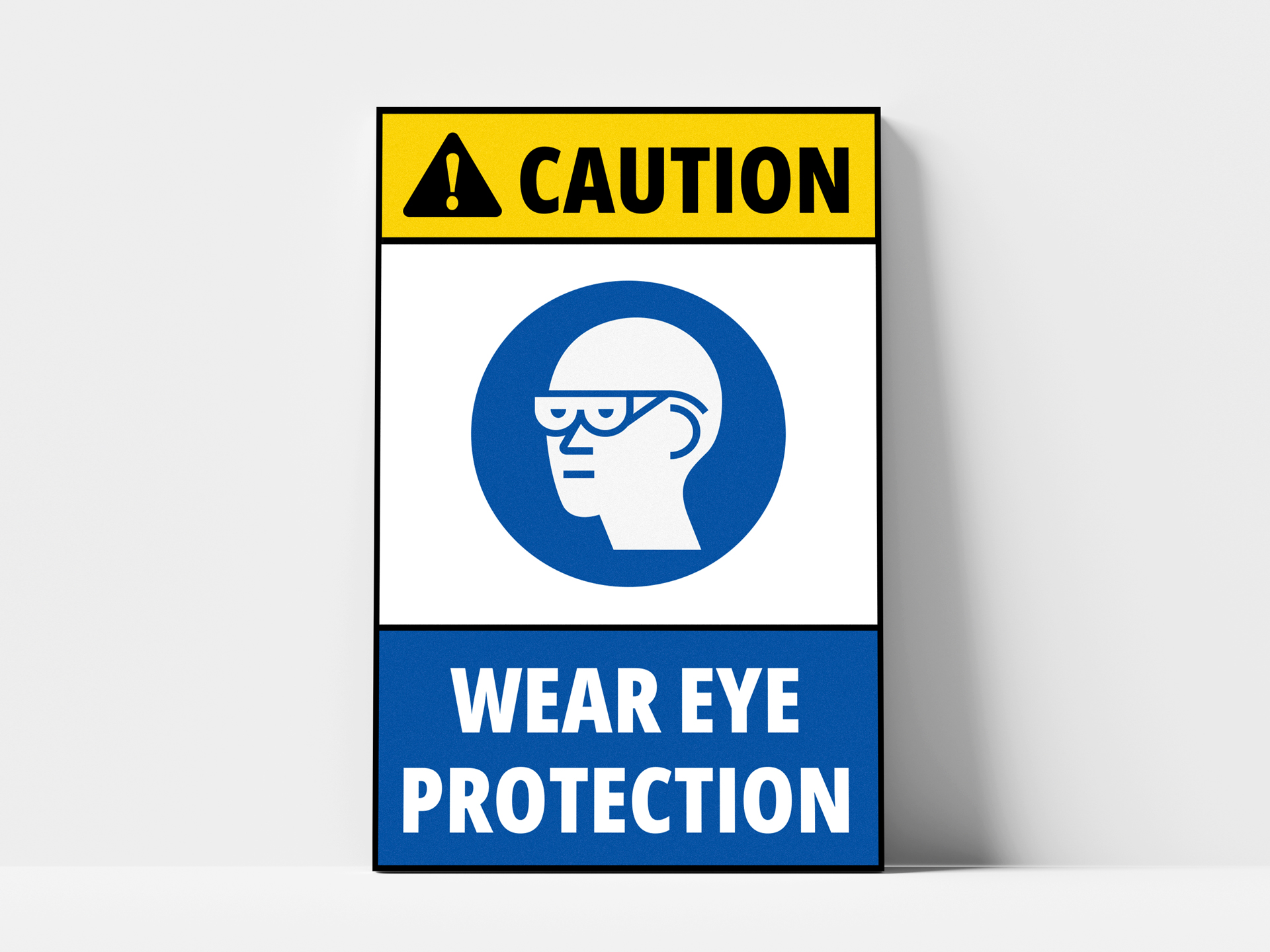
Eye and Face Protection Safety Foam Board Poster
Educate workers on required safety protocols to avoid injury.
5 (76 reviews)
Starting at $10.57
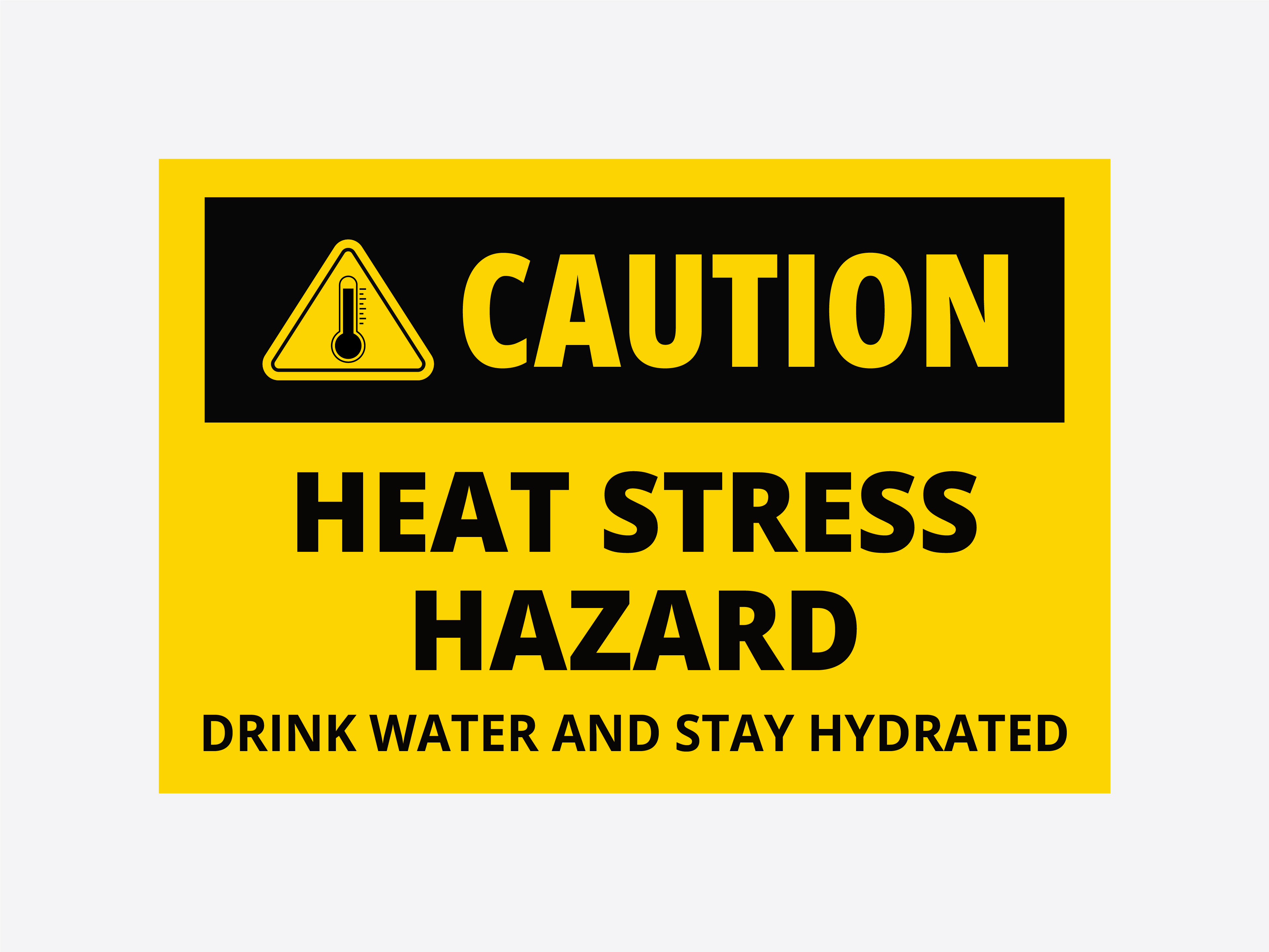
Caution - Heat Stress Hazard Paper Poster
Warn staff to take proper precautions before entering.
5 (18 reviews)
Starting at $4.67
Materials and Sizes for Workplace Safety Signage
Your sign’s durability and longevity is instrumental to its success. To ensure that your sign lasts and is as effective as it can be, you will need to account for your sign’s material and size.
Material Selection & Size Considerations
Metal signs, such as aluminum and dibond, are some of the most popular choices for safety signage. With reflective aluminum, your sign will be easy to see in almost any setting. Mesh banners are also long-lasting, while PVC and styrene are both waterproof. Paper posters, made from white photo paper, are best used indoors.
When it comes to the size of your sign, you will want to focus on text visibility for optimized legibility. According to OSHA, signal texts should be readable within 5 feet, and Exit sign letters should not be smaller than 6 inches high. ANSI requires that the font size relate to the viewing distance. Both the sign and text must be large enough for the reader to understand and respond to avoid potential danger.
Both OSHA and ANSI offer tables on their website to help you make a specific and educated decision.
When it comes to the size of your sign, you will want to focus on text visibility for optimized legibility. According to OSHA, signal texts should be readable within 5 feet, and Exit sign letters should not be smaller than 6 inches high. ANSI requires that the font size relate to the viewing distance. Both the sign and text must be large enough for the reader to understand and respond to avoid potential danger.
Both OSHA and ANSI offer tables on their website to help you make a specific and educated decision.
Why You Need Safety Signs in Your Workplace
Square Signs manufactures custom signage that helps solve all your workplace safety display needs.
Be proactive and responsible by using the right signage. Get your free custom quote today and see how Square Signs makes professional safety sign design effortless.
High-Quality Printing:
Trust us with your ministry's signage needs for dependable outcomes.
100K+ Customers:
We’ve partnered with over
one hundred thousand happy clients across every sector.
Quick Production and Delivery:
Receive your order within seven days of production, anywhere in the United States.
FAQs
Why do I need safety signs for the workplace?
- You need safety signs for many reasons. One reason is that in many spaces, it is a legal requirement. A second reason is that if you don’t have safety signs, it can be a liability. And a third reason is that it makes your space safer for you, your workers, and the public.
What are the mandatory safety signs for my workplace?
- According to the Occupational Safety & Health Administration (OSHA), most workplaces, regardless of industry, must have the following three safety signs throughout the workspace: Danger, Warning, and Safety Instruction signs.
Does OSHA have specific requirements?
- Yes. When it comes to safety signs, there are specific OSHA requirements that also apply to construction safety signs. OSHA requires that all safety signs use specific colors, words, symbols, and have rounded corners. They should be placed in areas that are visible to everyone and readable from at least five feet away.
Signal words must be clear and simple enough to understand (Danger, Warning, and Caution). No sign can contain pictograms only. If a pictogram is included in a sign, it must be placed before the signal word. For colors, danger signs should only have red, black, and white colors. Safety instruction signs should have a white background with black text and green panels with white text. Caution signs should have a yellow background with black letters, and black panels with yellow letters. What are ANSI standards for workplace safety signs?
The American National Standards Institute (ANSI) consists of a series of standards for safety signage, including:
- Headers and words (Safety, Caution, Danger, etc.).
- Symbols to communicate specific dangers, prohibitions, and mandatory alerts.
- Text specifying the type of alert.
- Colors that specify the level of danger: Red (danger), orange (warning), yellow (caution), blue (notice), and green (safety instructions).
What kind of workplace safety and industrial signs do you offer?
- At Square Signs, we offer several ready-made safety sign templates. These include but are not limited to: Road Work Ahead Signs, Caution Signs, Eye Protection Safety Signs, Warning Signs, No Smoking Signs, Danger Signs, and more.
What types of warehouse safety signs are the most effective?
- Effective warehouse safety signs are placed in eye-level spacing, are visible, and use universally recognized symbols. These signs include hazard warnings, prohibition signs, emergency/first aid signs, instructions, and fire safety signs.
Which materials will work longer?
- Metal signs like aluminum and dibond are rust and bend-resistant. PVC and styrene are waterproof. These features allow them to last for years.
Where should I place safety signs in my workplace?
- You should place your safety signs on walls near machinery, emergency routes, high traffic areas, and any zone that contains biohazard materials.
Will these signs help provide machine safety?
- Yes, because caution and warning signs can influence behaviors that lead to best practices.
Can I customize the sign based on my needs?
- Yes. Square Signs offers a free design tool in which you can make your sign unique. However, you will still need to follow OSHA safety sign color requirements.
How do I choose material for my workplace safety signs?
- To choose the right material for your workplace safety signs, you will want to know where you are going to place them and what kind of environment they will be in. Safety signs are typically made from aluminum, dibond, PVC, styrene, and paper.
What are the main differences between OSHA and ANSI safety signs?
- The Occupational Safety & Health Administration (OSHA) is a federal agency that monitors and enforces workplace safety. The American National Standards Institute (ANSI) is a private, nonprofit organization that oversees and coordinates the standards set forth by the U.S. federal government.
Since OSHA has adopted the practices developed by ANSI, the differences might seem confusing at first. The biggest difference is in the design. ANSI headers are color-coded, contain symbols, and upper/lower case letters that are left-justified.